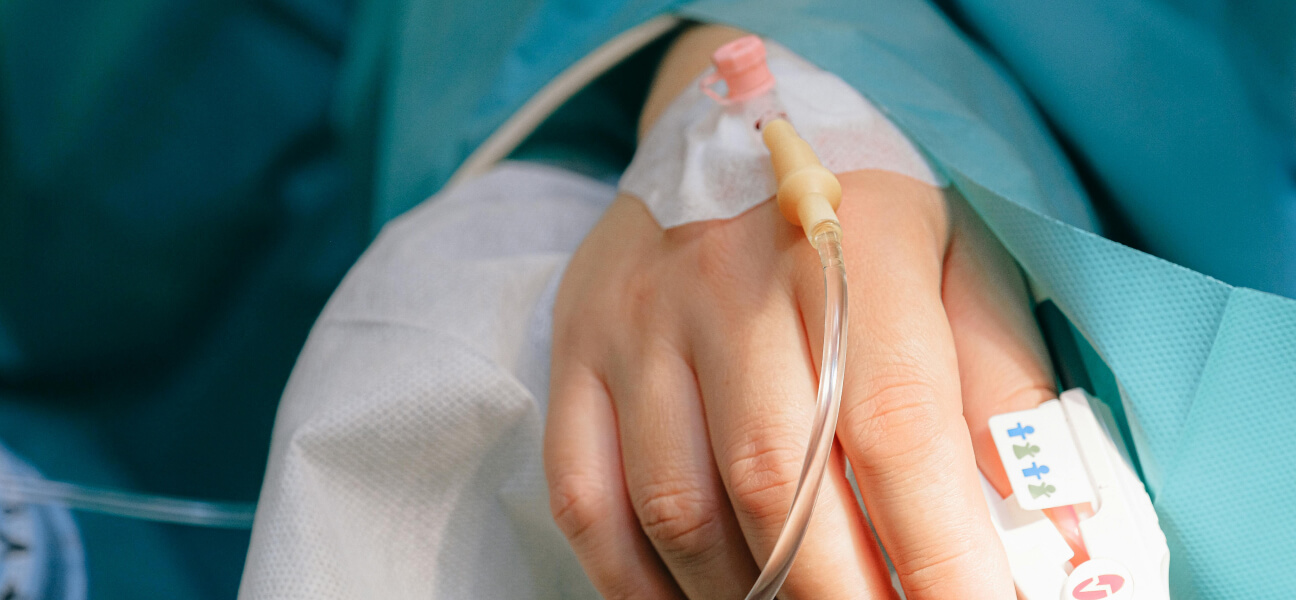
Medical emergencies can happen at any time, often without warning. Being prepared can make a critical difference in how quickly and effectively care is provided. Understanding basic emergency preparedness helps protect you, your family, and those around you during unexpected situations.
Recognizing early warning signs is essential. Seek immediate medical attention for symptoms such as chest pain, difficulty breathing, sudden weakness or numbness, severe bleeding, loss of consciousness, or sudden confusion. Acting quickly can save lives.
Have essential medical details readily available, including:
Keeping this information on your phone or in a visible place at home helps emergency responders act faster.
Basic first aid knowledge can stabilize a person until professional help arrives. CPR training, wound care, and knowing how to respond to choking or severe bleeding can significantly improve outcomes during emergencies.
A well-stocked emergency kit should include bandages, antiseptics, gloves, medications, a thermometer, and any personal medical supplies. Review and restock your kit regularly.
Know where to go and who to contact during an emergency. Identify the nearest emergency facility, understand after-hours care options, and ensure family members know the plan.
Remaining calm allows you to think clearly and make better decisions. Assess the situation, call for help immediately, and follow medical guidance until professional assistance arrives.
Regular checkups and health screenings reduce the likelihood of emergencies by detecting conditions early. Preventive care supports better health management and lowers emergency risks.
Healthcare providers play a key role by offering patient education, routine monitoring, and guidance on managing chronic conditions that may lead to emergencies if left untreated.